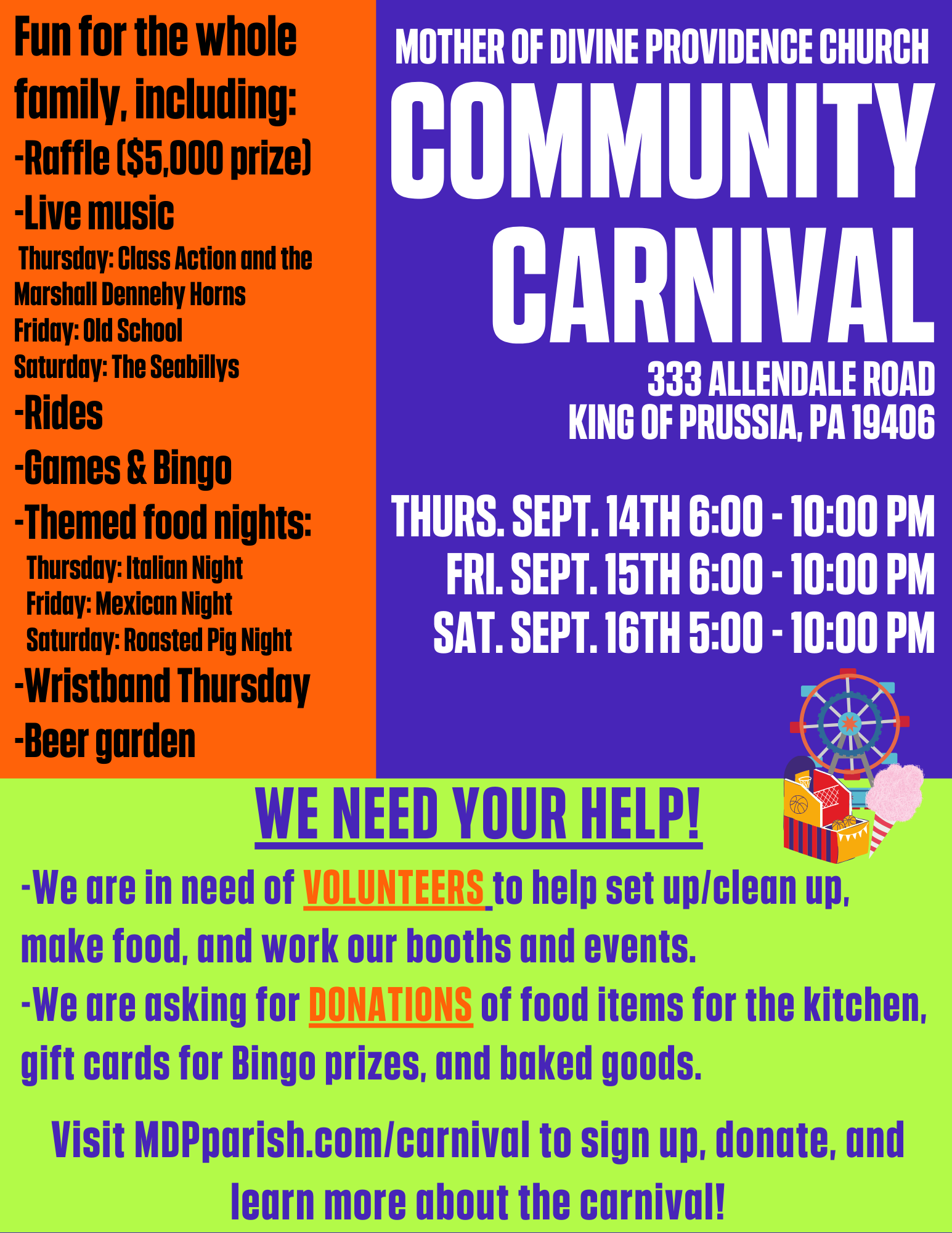
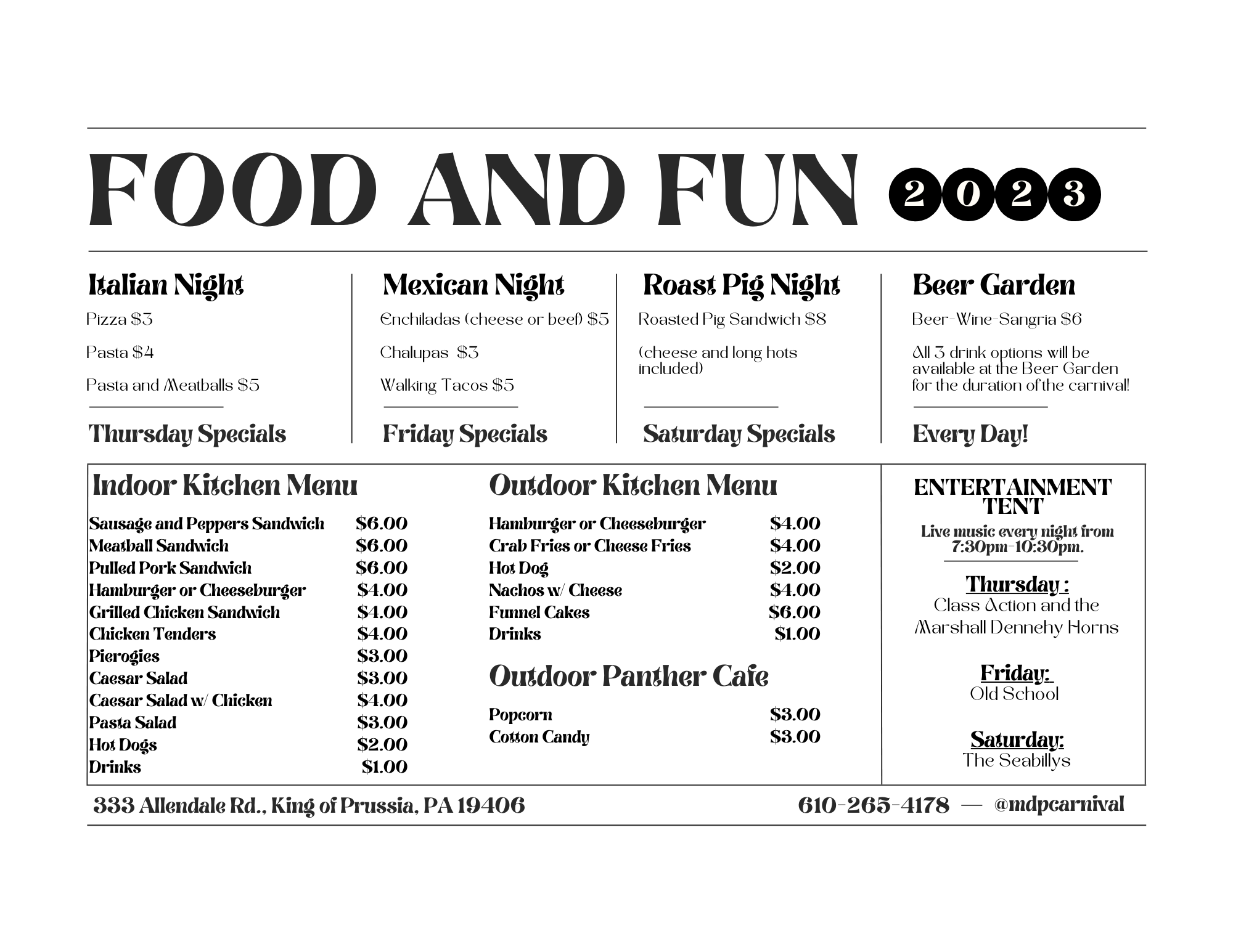
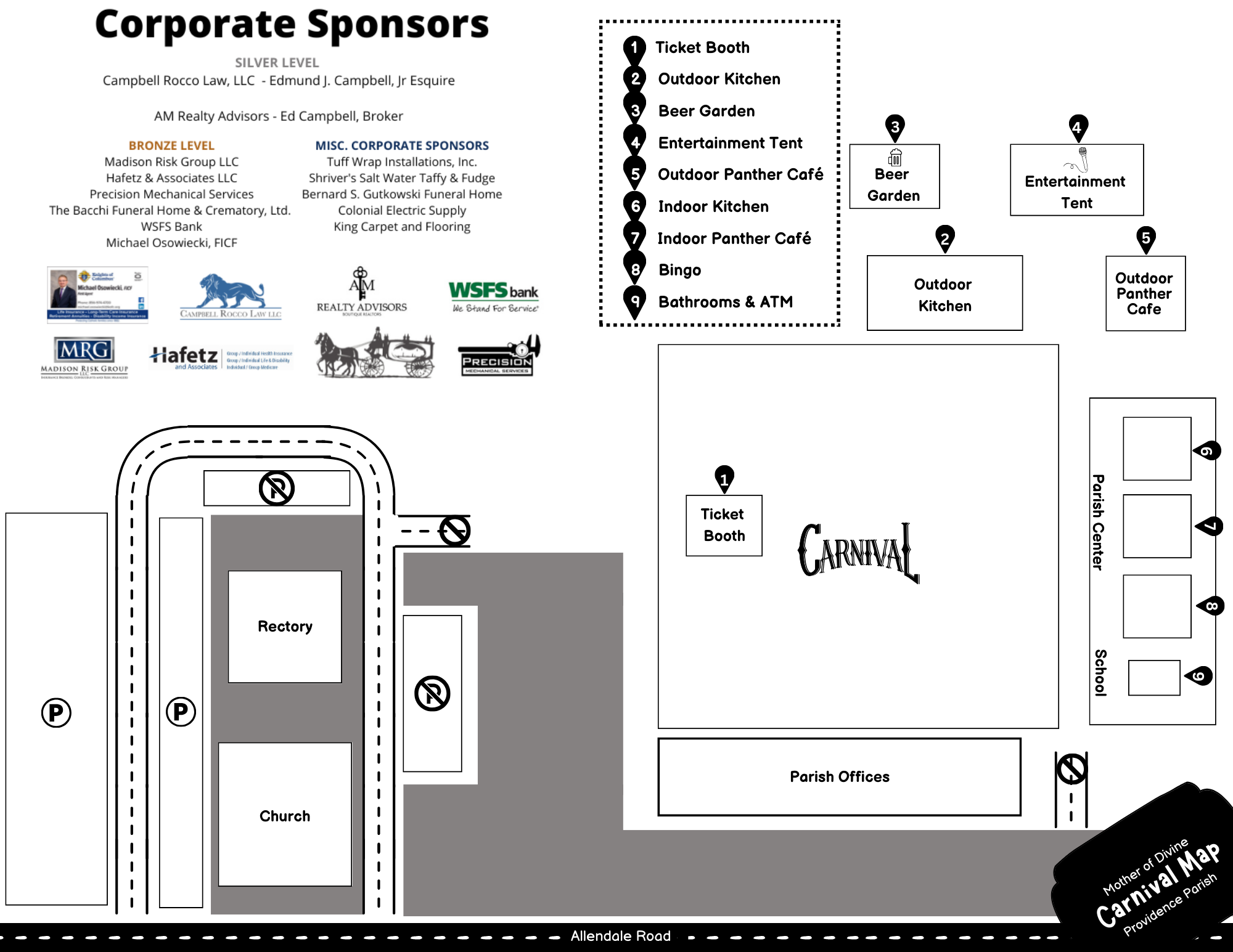
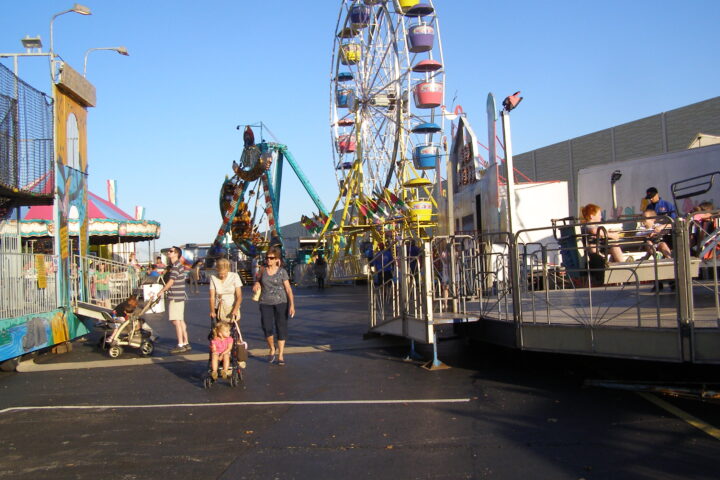
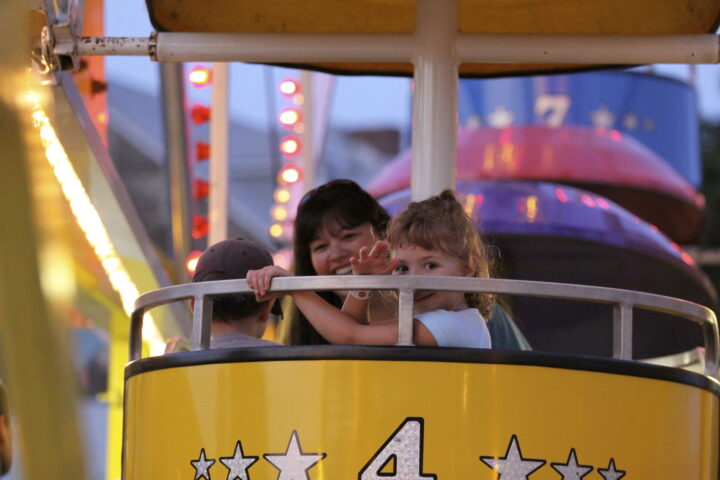
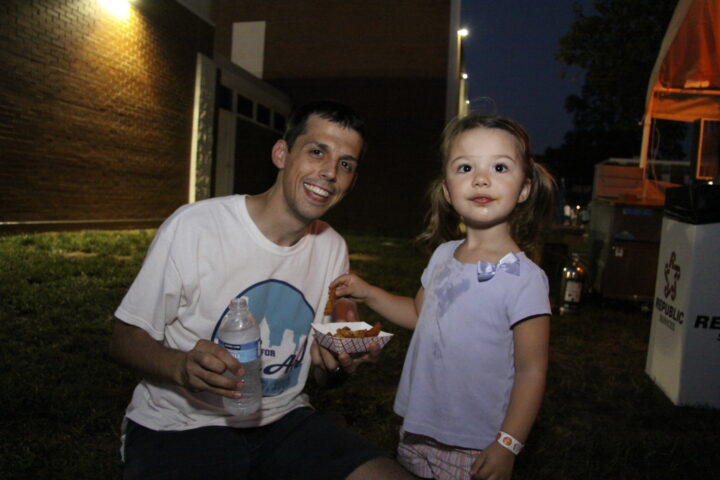
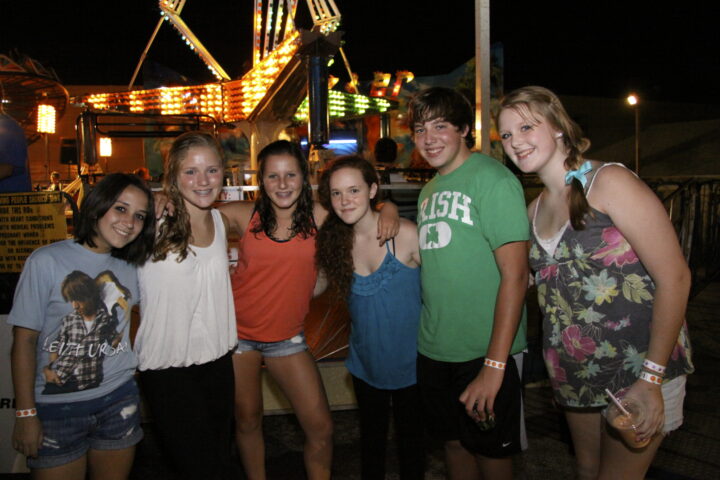
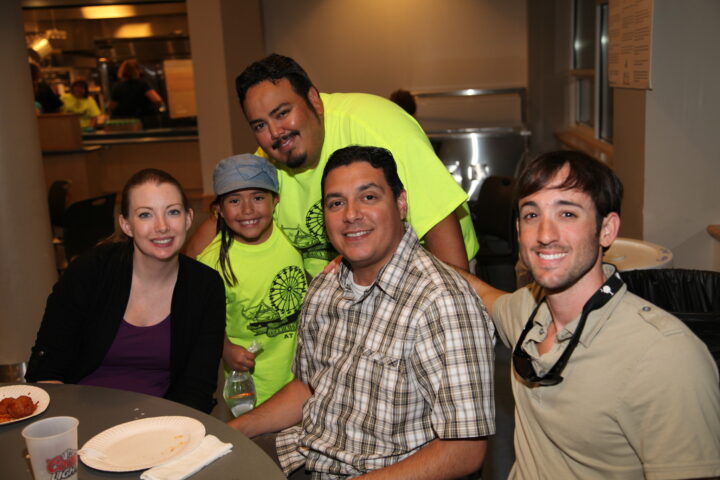
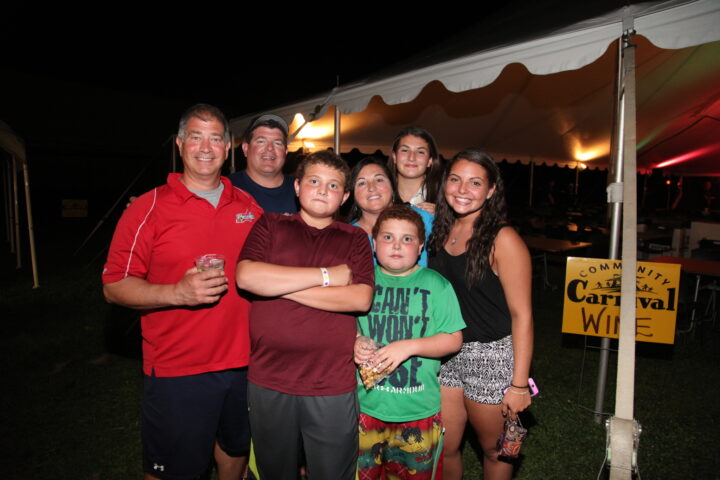
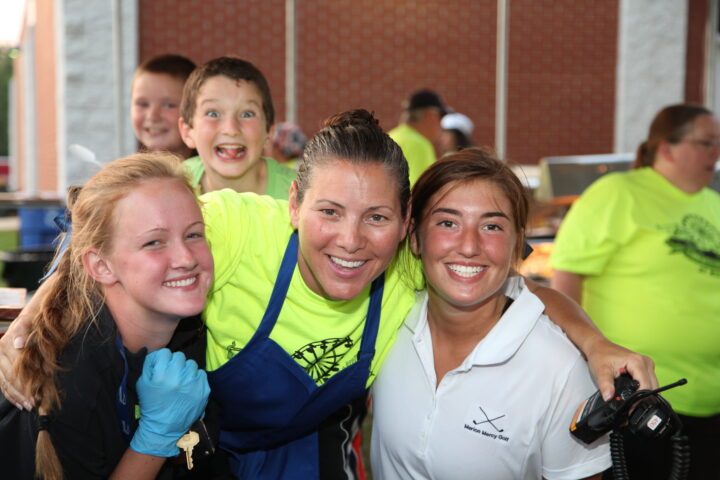
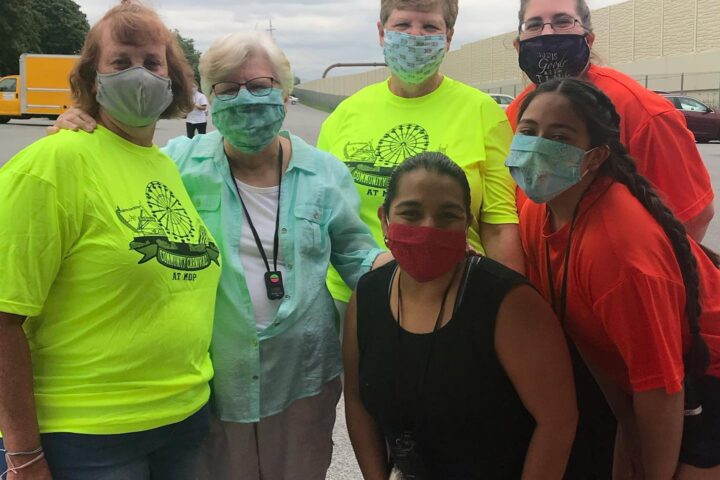
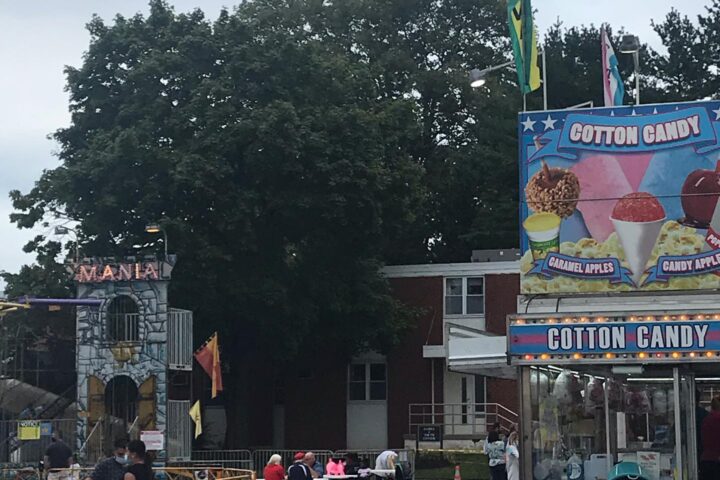
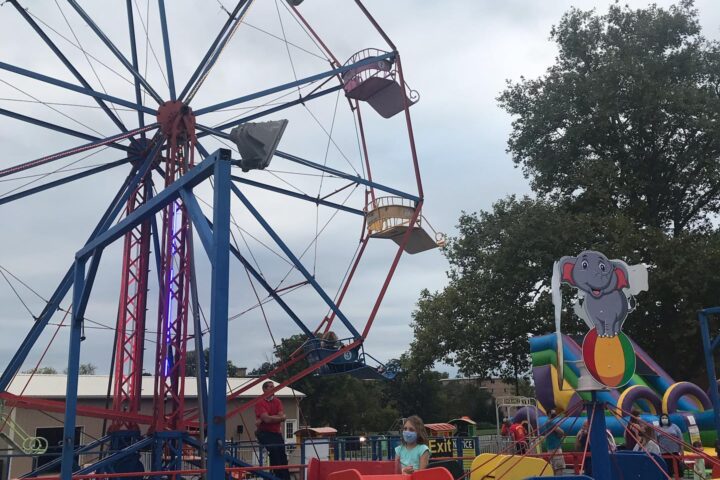
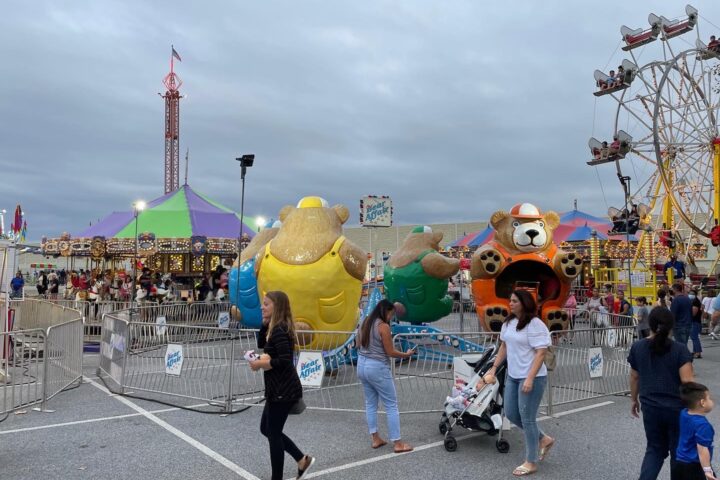
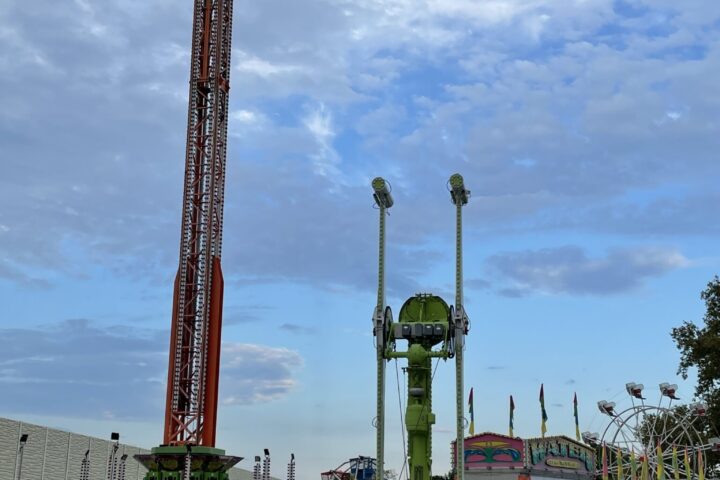
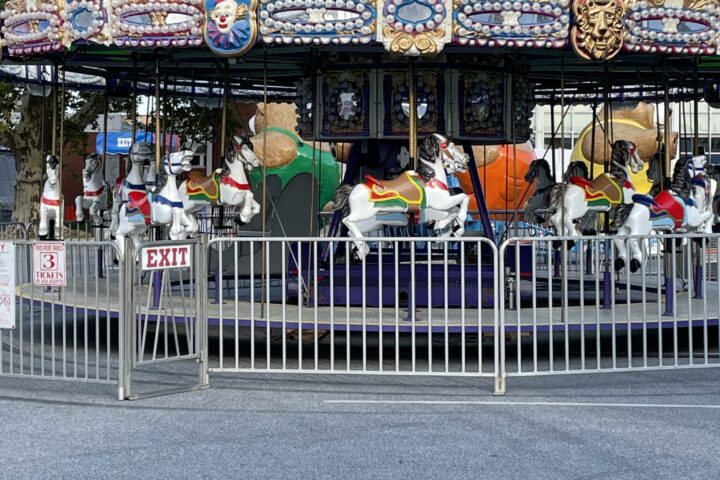
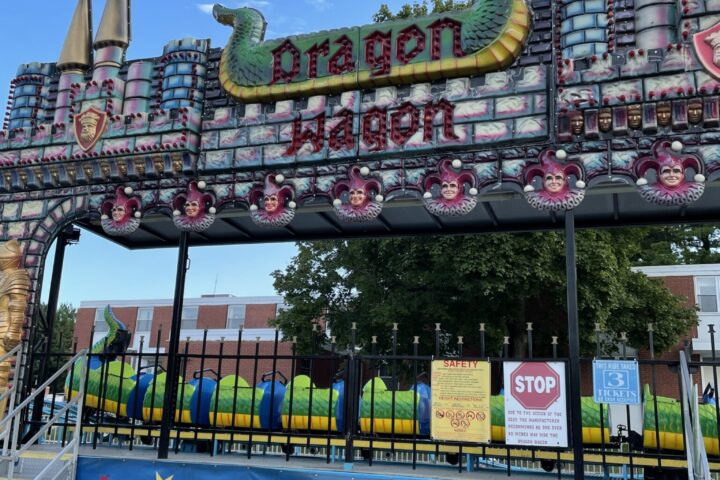
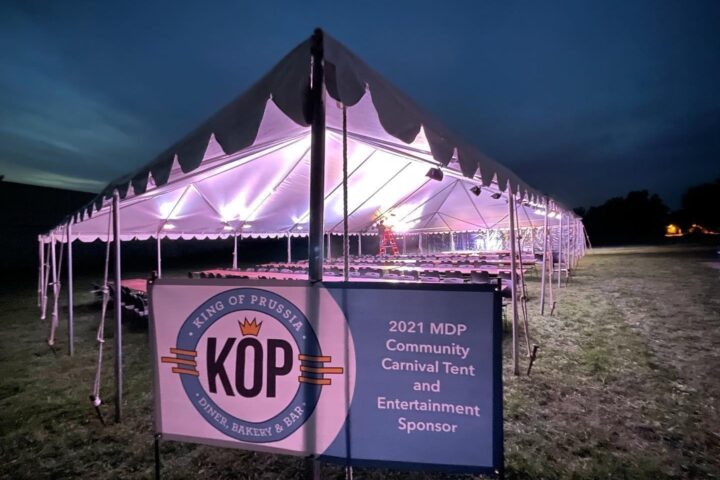
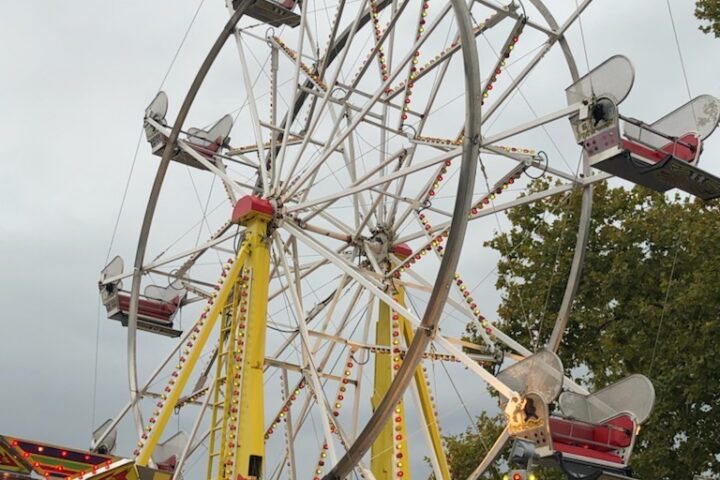
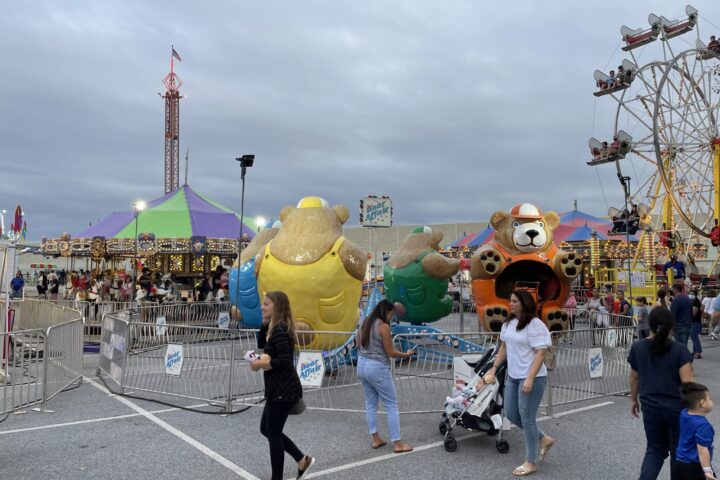
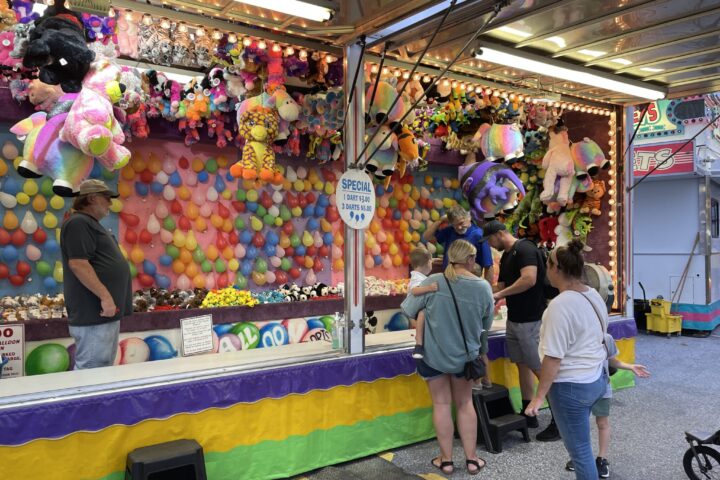
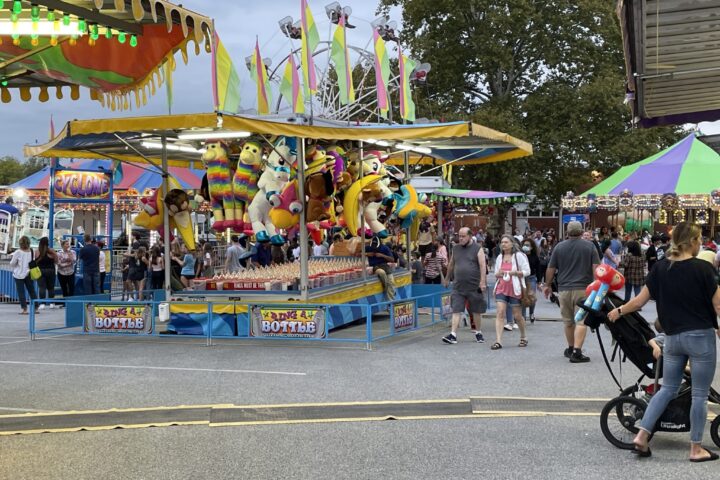
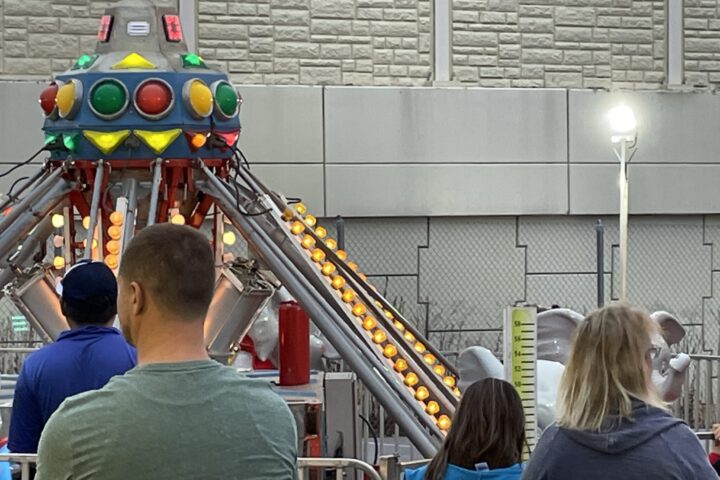
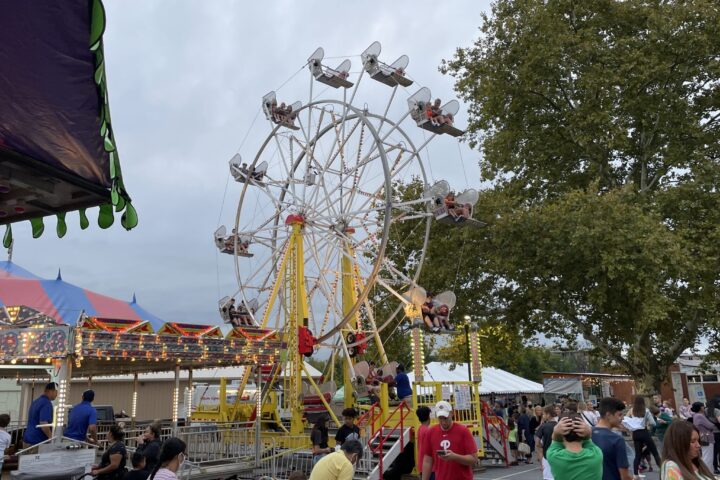
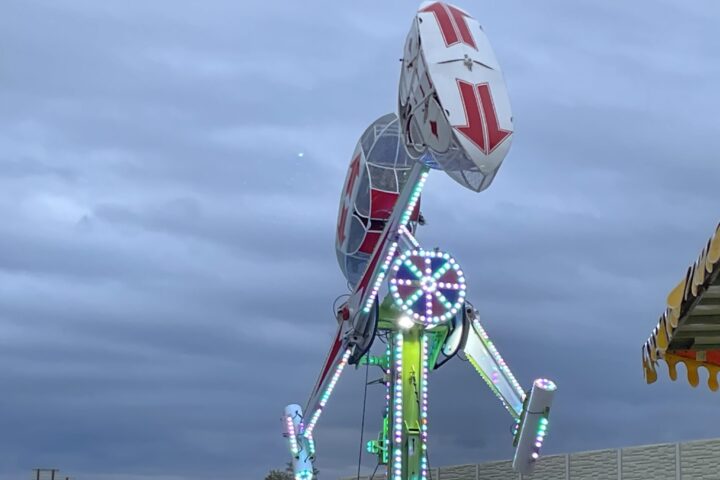
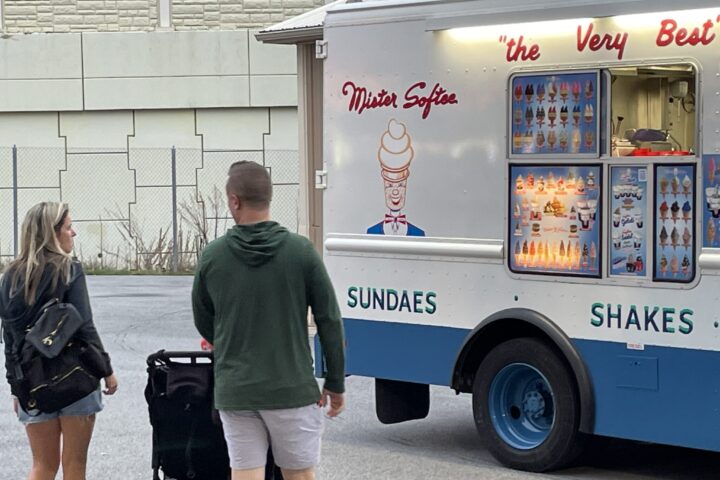
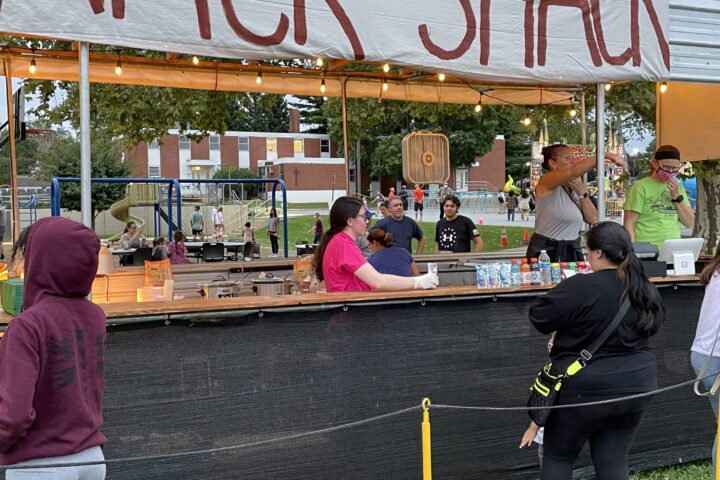
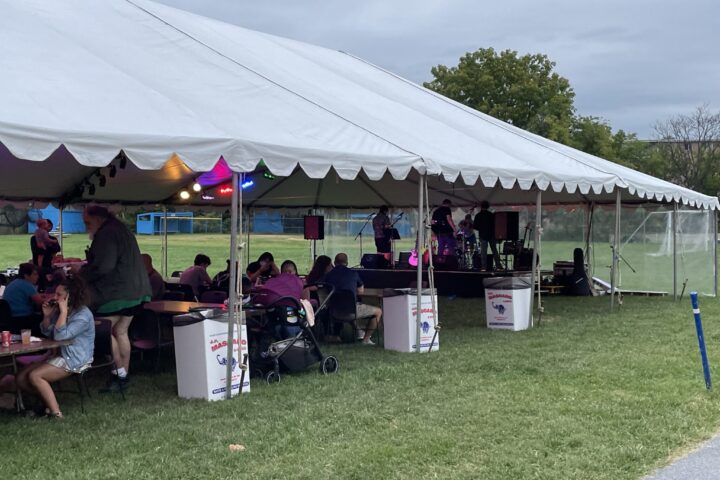
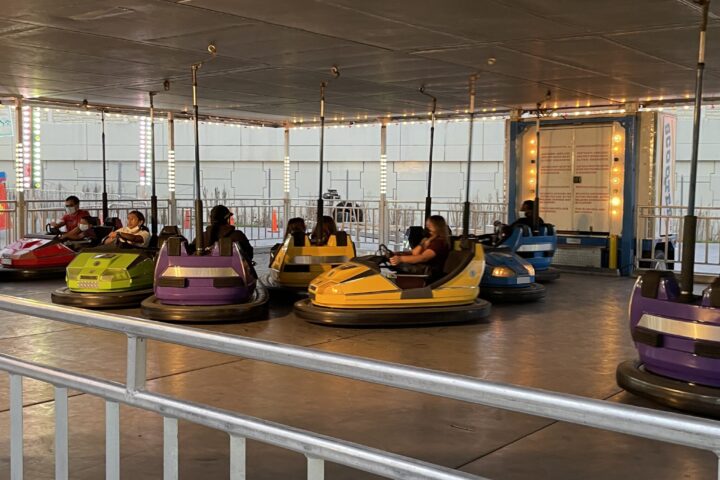
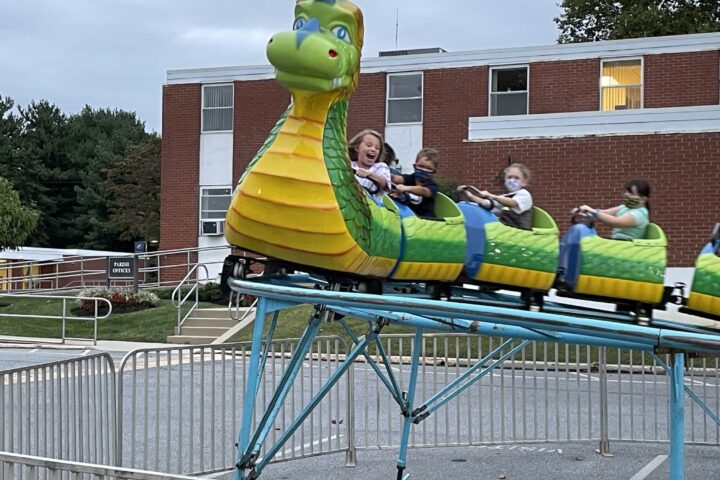
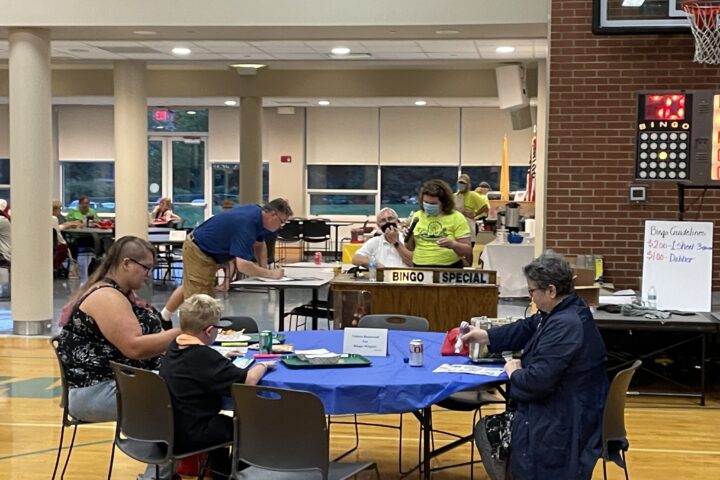
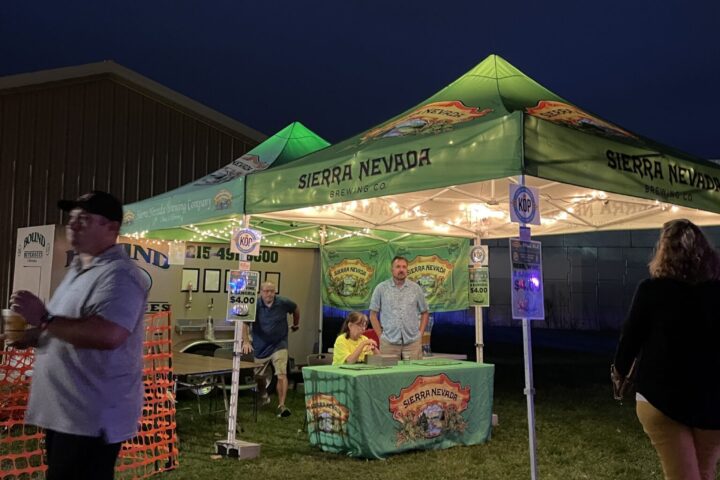
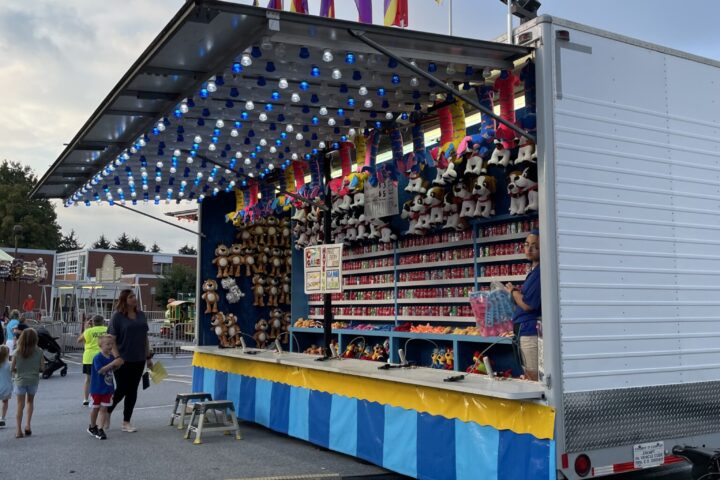
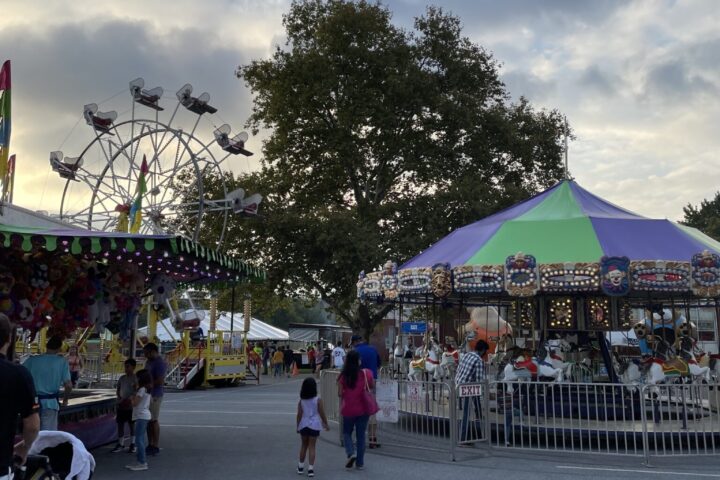
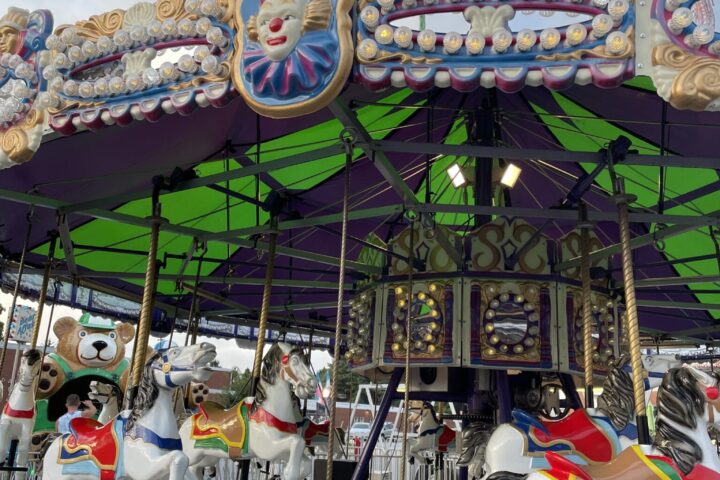
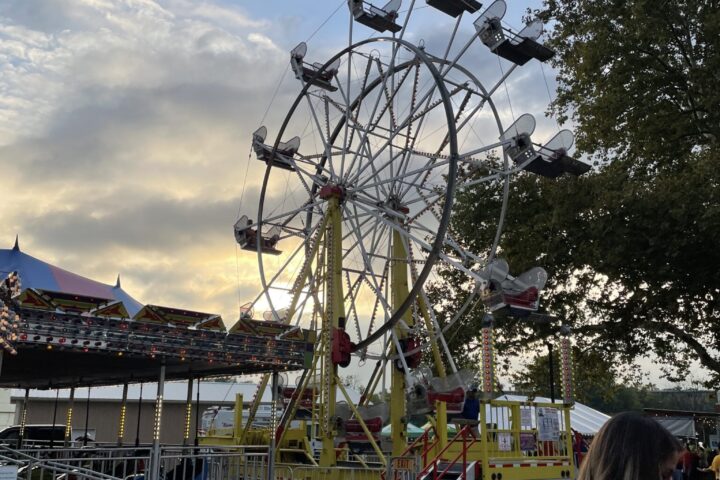
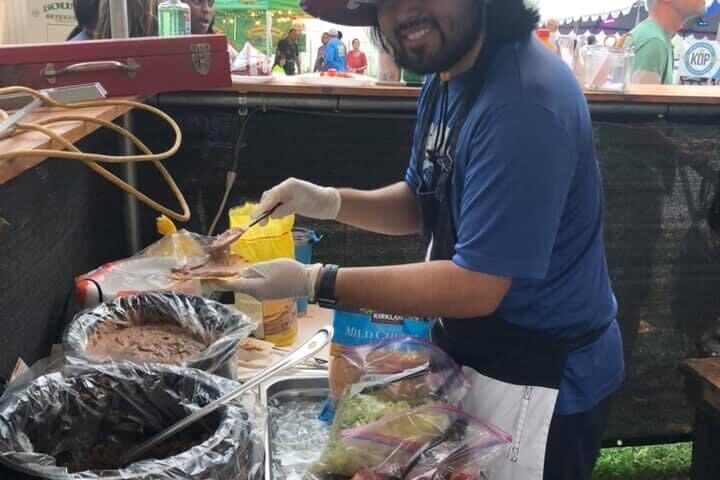
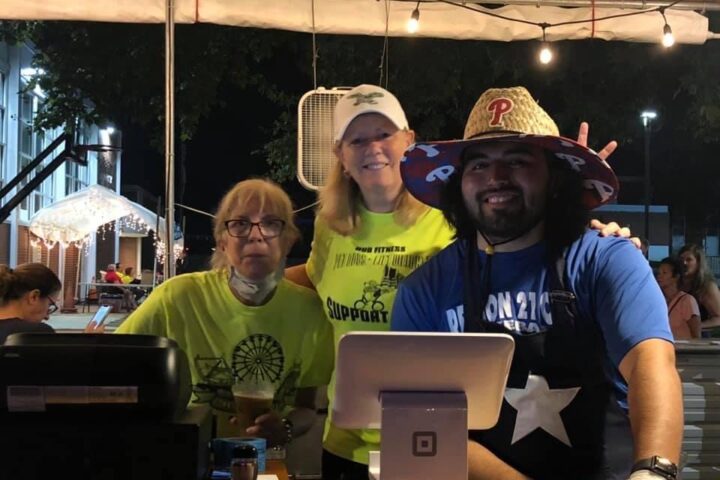
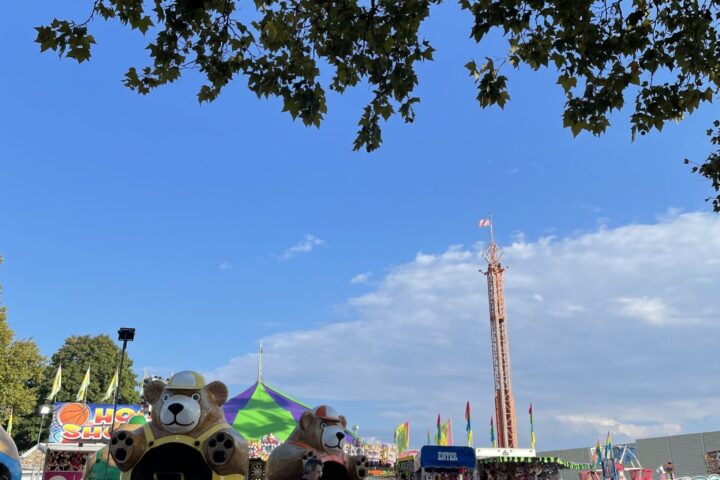
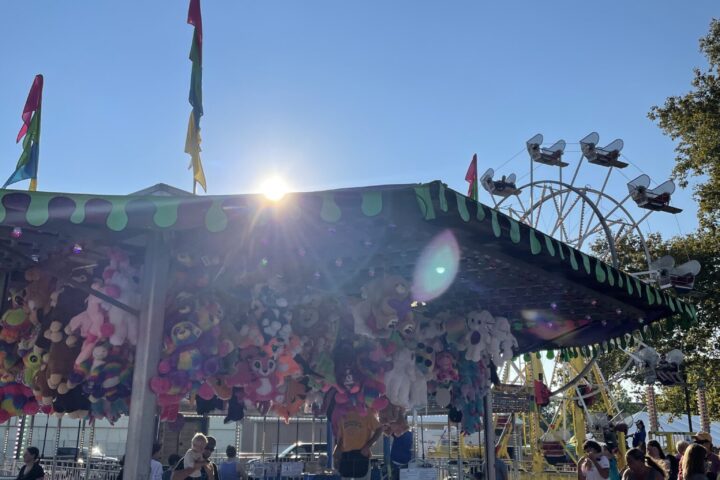
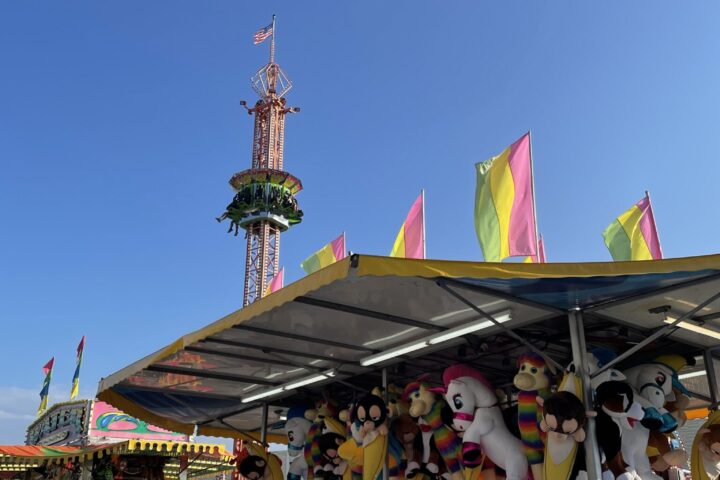
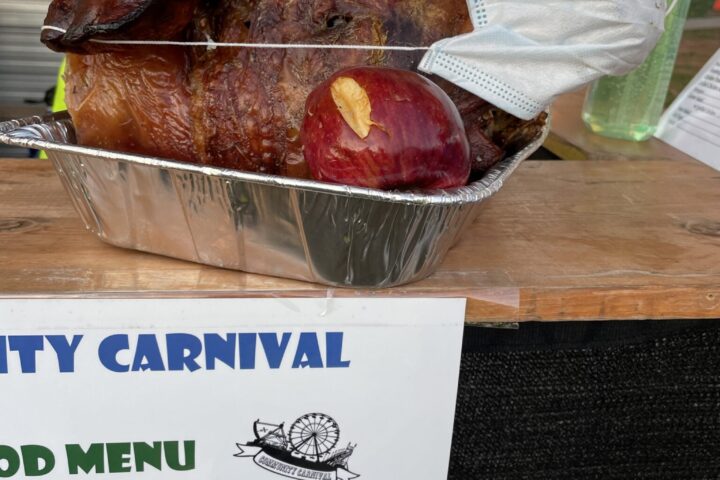
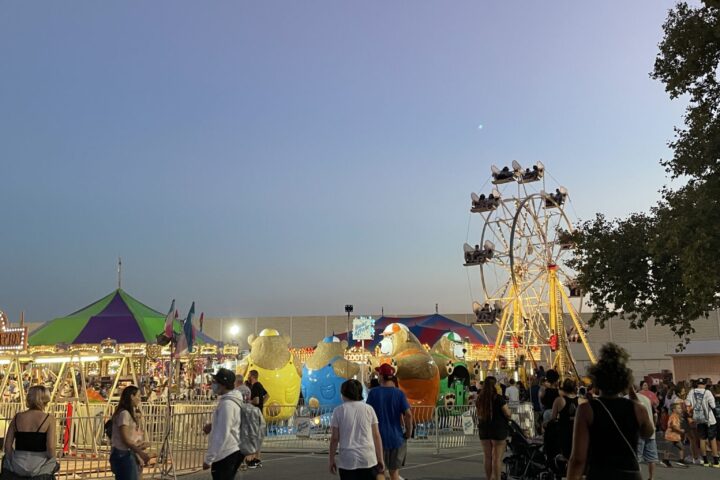
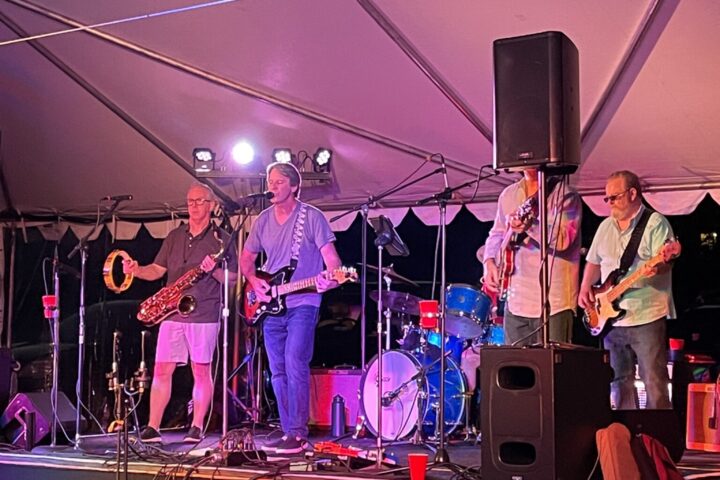
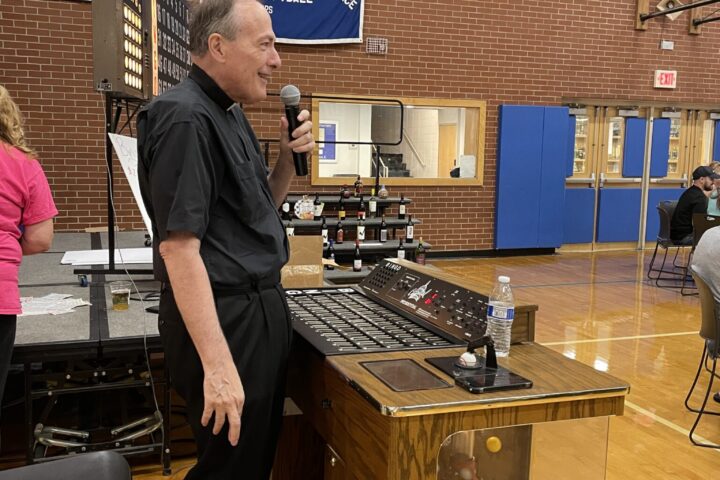
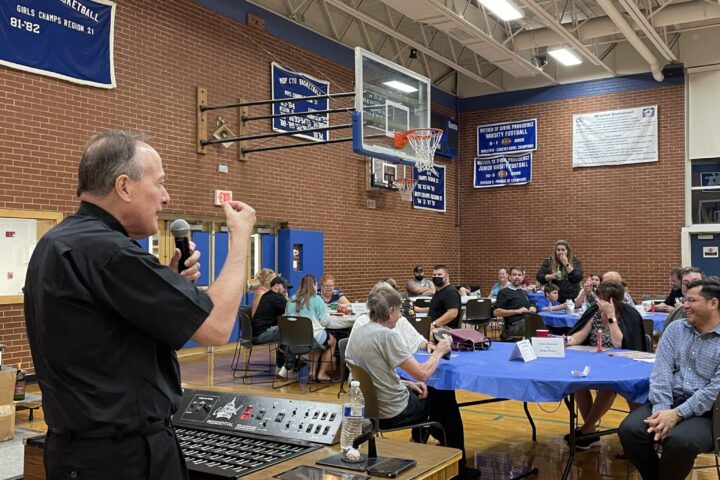
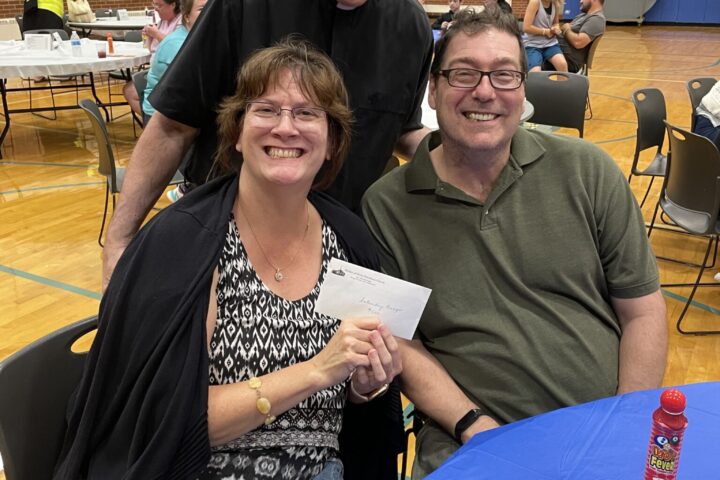
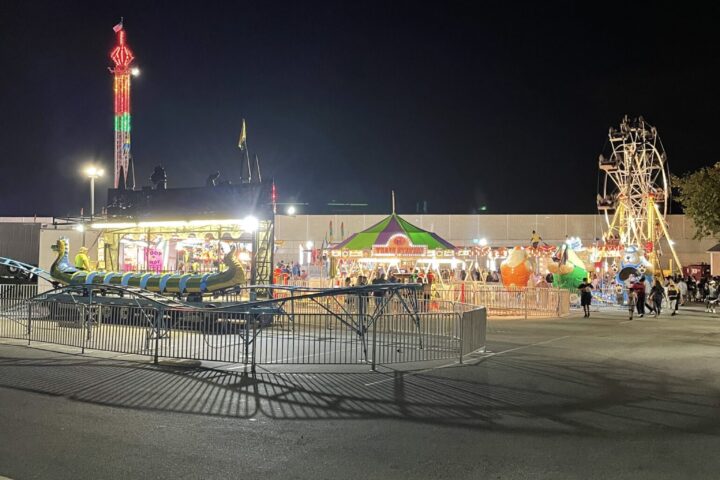
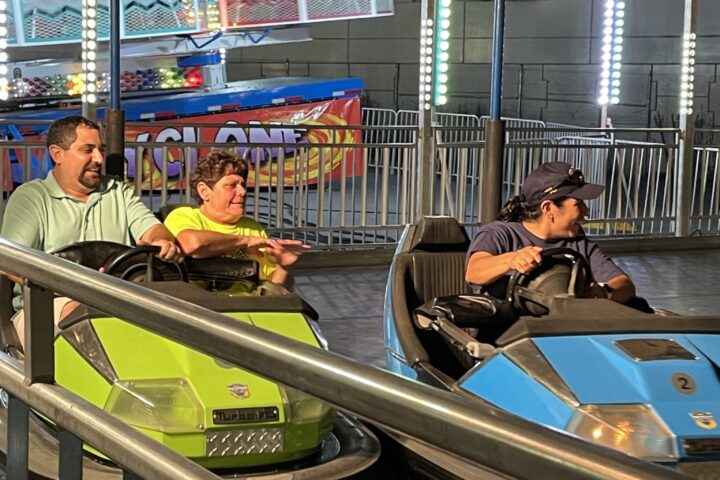
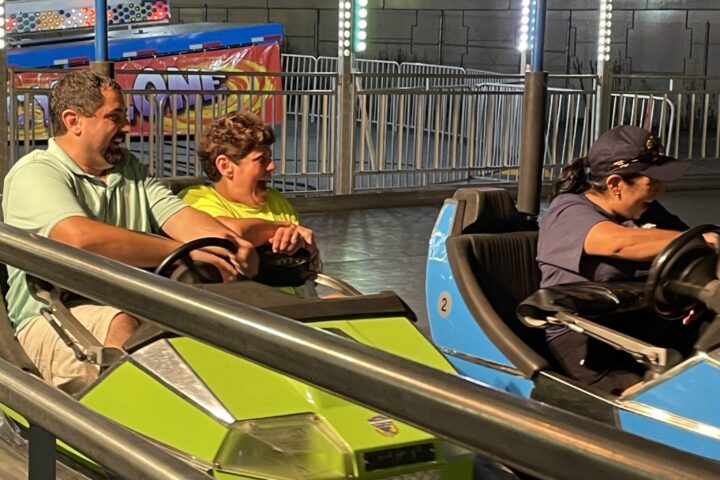
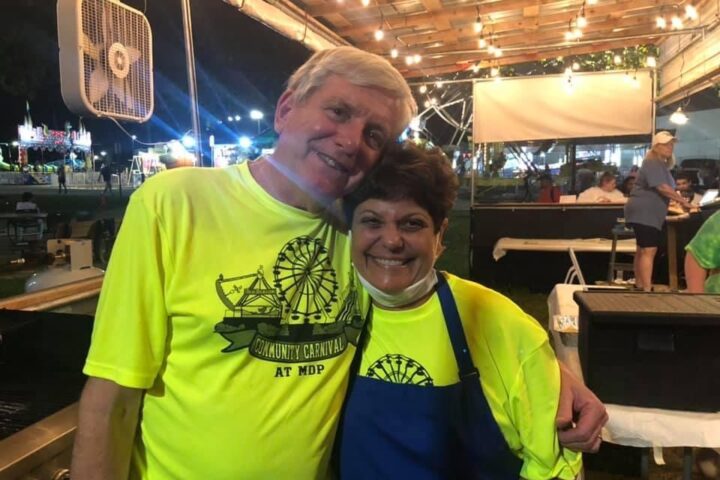
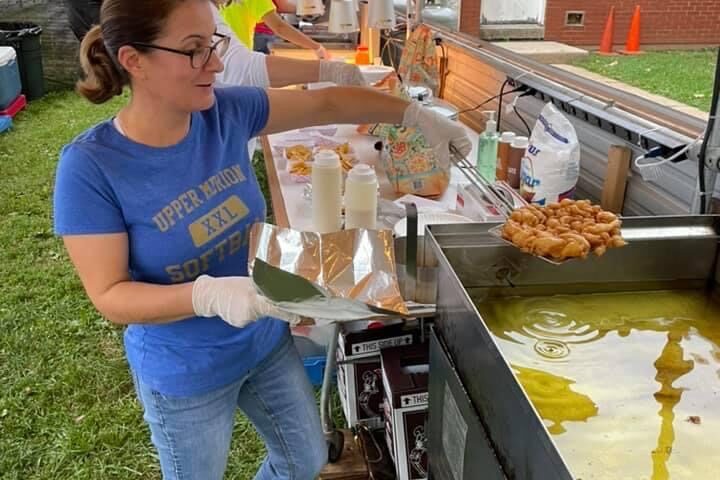
The Community Carnival will run from August 20, 2013 through August 24, 2013. Each year the carnival is growing. This year is certain to be even better than last year, if that is even possible!
WHAT IS THE PALIO?
“Piazza del Campo” is still used today for the well-known Palio horse race which is one of the most famous horse races in Italy. It takes place every year on July 2 and August 16. The Palio is run to celebrate the miraculous apparition of the Virgin Mary near the old houses that belonged to Provenzano Salvani. The holy apparition was therefore called “Madonna di Provenzano”(Mother of Providence) in whose honor the very first Palio was run on August 16, 1656. The Palio was run for the first time in 1701.
The town of Seina is divided into contradas or neighborhoods, all of which have their own identity, their own chapels, their own fountains, their own symbols, flags and patron saints. The population of these contradas consist of all those people who were born or live within the topographic limits of the district. Once you are ‘born into a neighborhood,’ you belong to that neighborhood forever.
Originally, there were about fifty-nine “Contrade”; now only seventeen remain, ten of which take part in the historical pageant and in the race at each Palio (seven by right and three drawn by lots).
The “Contrade” first appeared in the middle of the 15th century to celebrate certain solemn events. They were represented by special wooden devices shaped like animals, such as, for instance, a giraffe, a dragon, a porcupine, a she-wolf, a caterpillar, a goose etc. – worked from inside by the youngsters of the districts they represented. They were called after the animals themselves.
The preparations for this festival are slow and methodic. Four days before the day of the Palio trials take place in the “Campo” square (The biggest public square in Seina) which is turned into a race track. A thick layer of earth is spread on the ground and a row of mattresses is placed against the walls at the dangerous corner of San Martino to protect the jockeys in case they fall.
The shape of the square is that of a mediaeval Roman amphitheatre closed at the base by the straight line of the Palazzo Pubblico. Besides being semi-circular this peculiar square is also funnel-shaped like the theatres of the imperial age. Eleven streets run into it, though it is extremely difficult to percieve them from the middle of the square. All around the track, perched up against the walls of the houses, seats are arranged one behind and above the other like bleachers. Windows, balconies and loggias, too, are made ready for the visitors; 33,000 seats in all, but they are far from sufficient and are always sold out long before the day of the performance. In the center of the square there is room for about 28,000 people to stand, but this is not enough either and the roofs, the turrets and the cornices of the old houses looking on to the square are also crowded. There are people everywhere, even in the most unlikely places.
On both the appointed days every year the “Contrade” – all the Sienese population – compete for a prize, a hand painted silk banner (pallium). Each “Contrada” is represented by a group of young men called “Comparsa” arranged as follows: one drummer, two flag-bearers, with their flags, one “Duce”, two grooms, one page carrying a flag with two pages at his sides carrying the emblems of the “Contrada”, the race-horse called barbero with a jockey called “barbaresco”, last the jockey who is to run the race on a parade horse called “soprallasso” followed by a groom.
The historical parade comes first after the benediction of the horse in the neighborhood chapel. The parade is a lively display of rich medieval costumes which date back to the time period from 1430 to 1480. The parade is a prelude, a time great of anxiety and expectation. When at last the horses appear and the race starts, the crowd becomes delirious. The jockeys, riding bareback, goad their horses round the square three times. By this time the crowd is delirious and the noise deafening.
The spirit of Siena is in the very colors of her “Contrade” and in all the manifestations connected with each of them. First comes the benediction of the horses, each in the church of their own “Contrada”, early in the afternoon just before the Palio. This starts the excitement and certainly contributes to the pathos to the scene.
The Palio lasts four days (from June 29 to July 2 and from August 13 to 16) and finishes in the streets of the victorious “Contrada” where the people celebrate the happy event in a most joyous way. And, by the way….Winner pays all!
The Palio is coming to the Community Carnival on Friday, August 23rd! Sense the rising excitement. Cheer on your own contrada! Feel the pathos!!!!
We hope to see you on the carnival grounds!